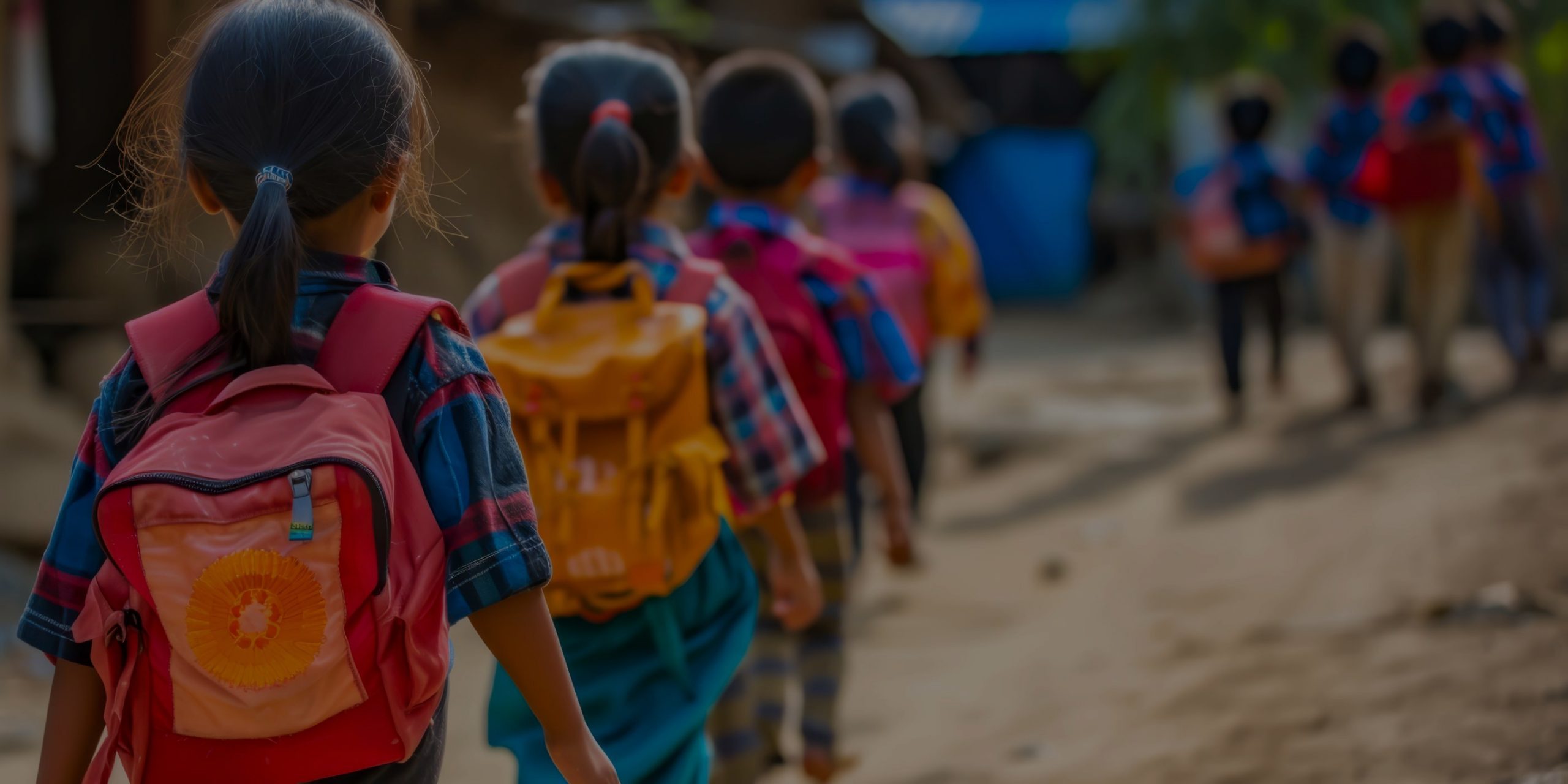
Children walking to school

We create educational opportunities for those most excluded from them.

We work alongside communities to remove barriers to learning and build pathways from early childhood to higher education.

Our mission
FOR BETTER LIFE

OUR MISSION

A Whole-Pathway Approach: Educational inequality does not begin or end at a single moment. Gaps emerge early, widen through adolescence, and compound over time as opportunities narrow. That is why Project Educate takes a whole-pathway approach.

Early Childhood & Primary Education

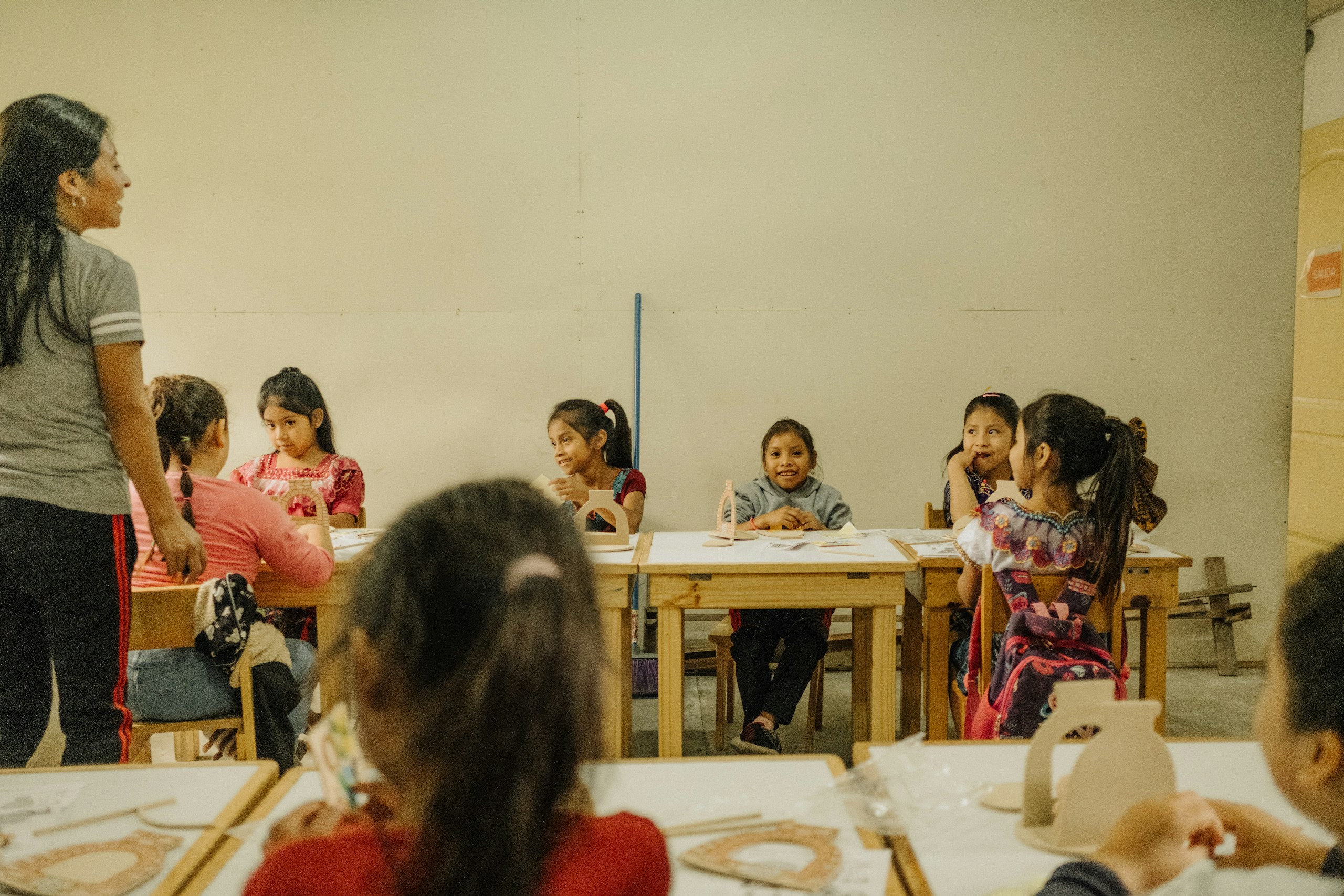
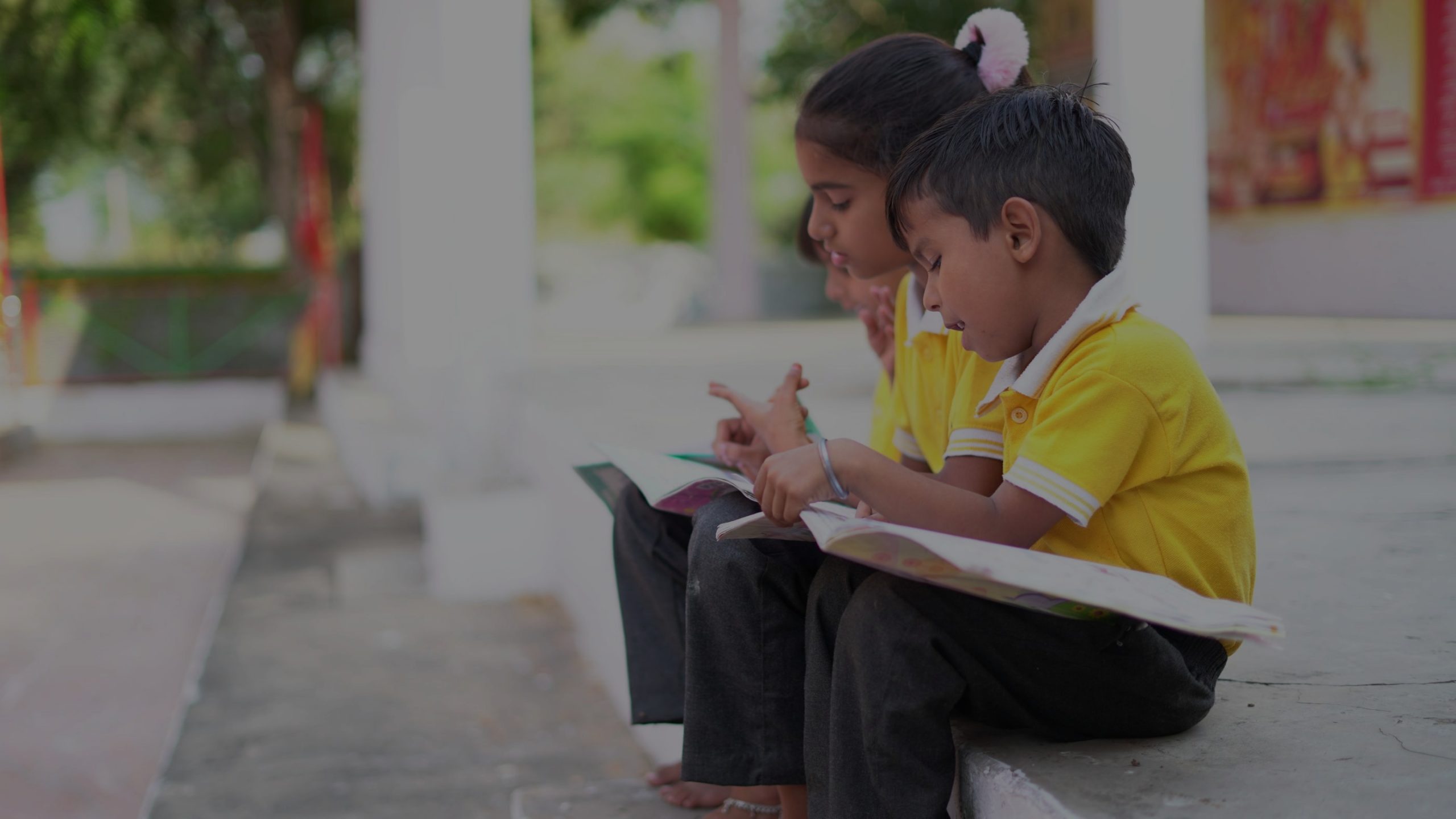
We strengthen foundations by funding and partnering with grassroots organisations delivering high-quality early learning and primary education in underserved communities.

Secondary Education & Youth Development

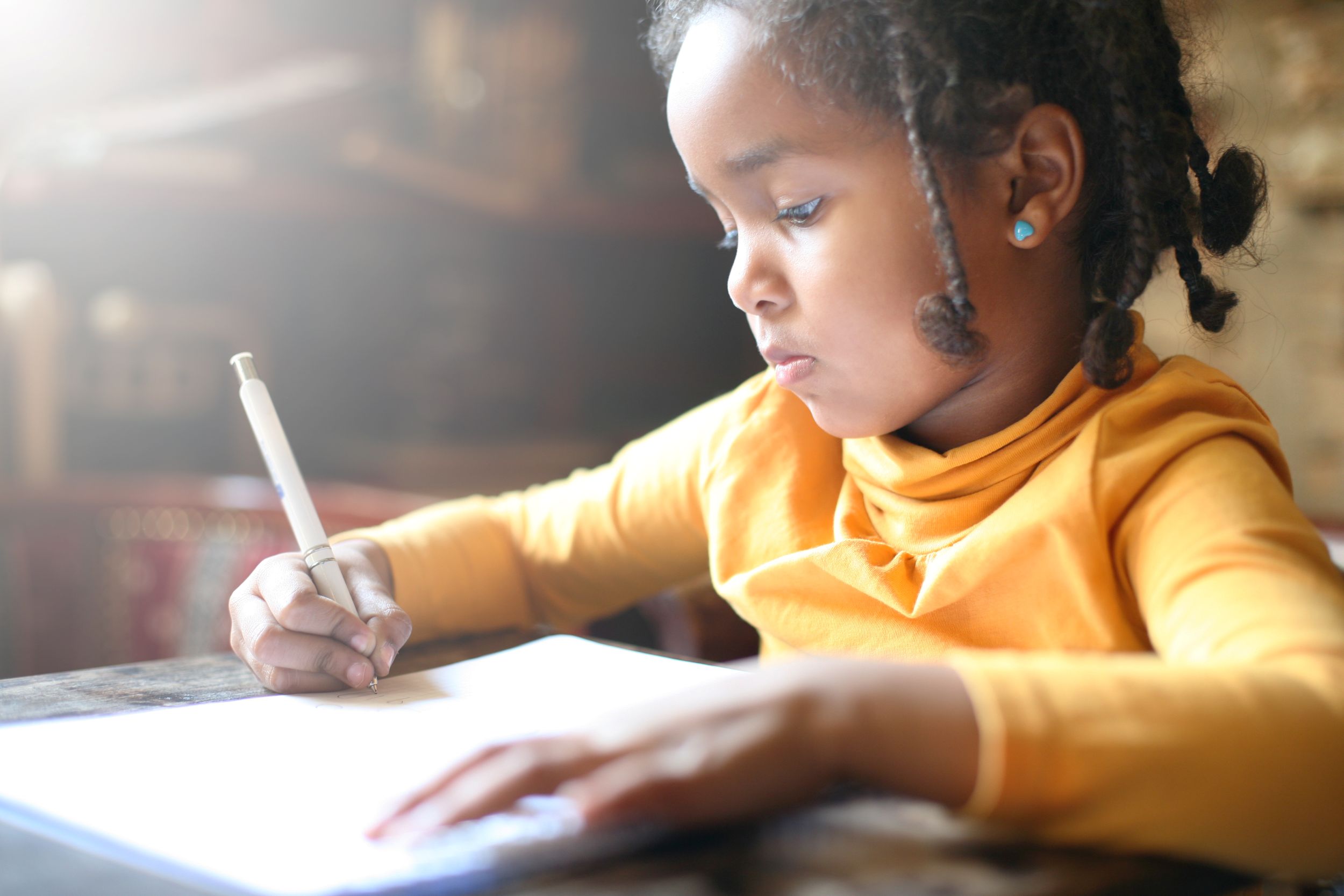
Adolescence is a critical inflection point where many young people are pushed out of opportunity. We support secondary education, life skills, leadership development, mentoring, and economic empowerment.

Higher Education

Through scholarships, mentoring, and university partnerships, we help to create access to higher education for talented students from marginalised backgrounds.

Leadership & Systemic Change

Education is not the end goal: justice and impact are. We create pathways into leadership through internships, fellowships, and exposure opportunities.

A truly global mission

Education is a global mission. Even high-income countries face challenges: poverty, social exclusion, and barriers to learning persist for marginalized groups such as black people, refugees, migrants, and people with disabilities. We aim to support equitable educational opportunities worldwide because the mission is not only to unlock human potential where it is most concentrated, but also to ensure no one is left behind anywhere.

Africa is home to the youngest and fastest-growing population in the world.

According to UNESCO, by 2050, the continent will account for around 40% of the world’s children and young people, representing an unprecedented concentration of human potential.

According to UNESCO about 739 million adults and young people worldwide still lack basic literacy and numeracy skills,

with nearly half living in Southern Asia and more than a quarter in sub-Saharan Africa. By contrast, only around 2% - roughly 15 million people - live in Europe and North America combined, where adult literacy rates are typically 98 - 99%.
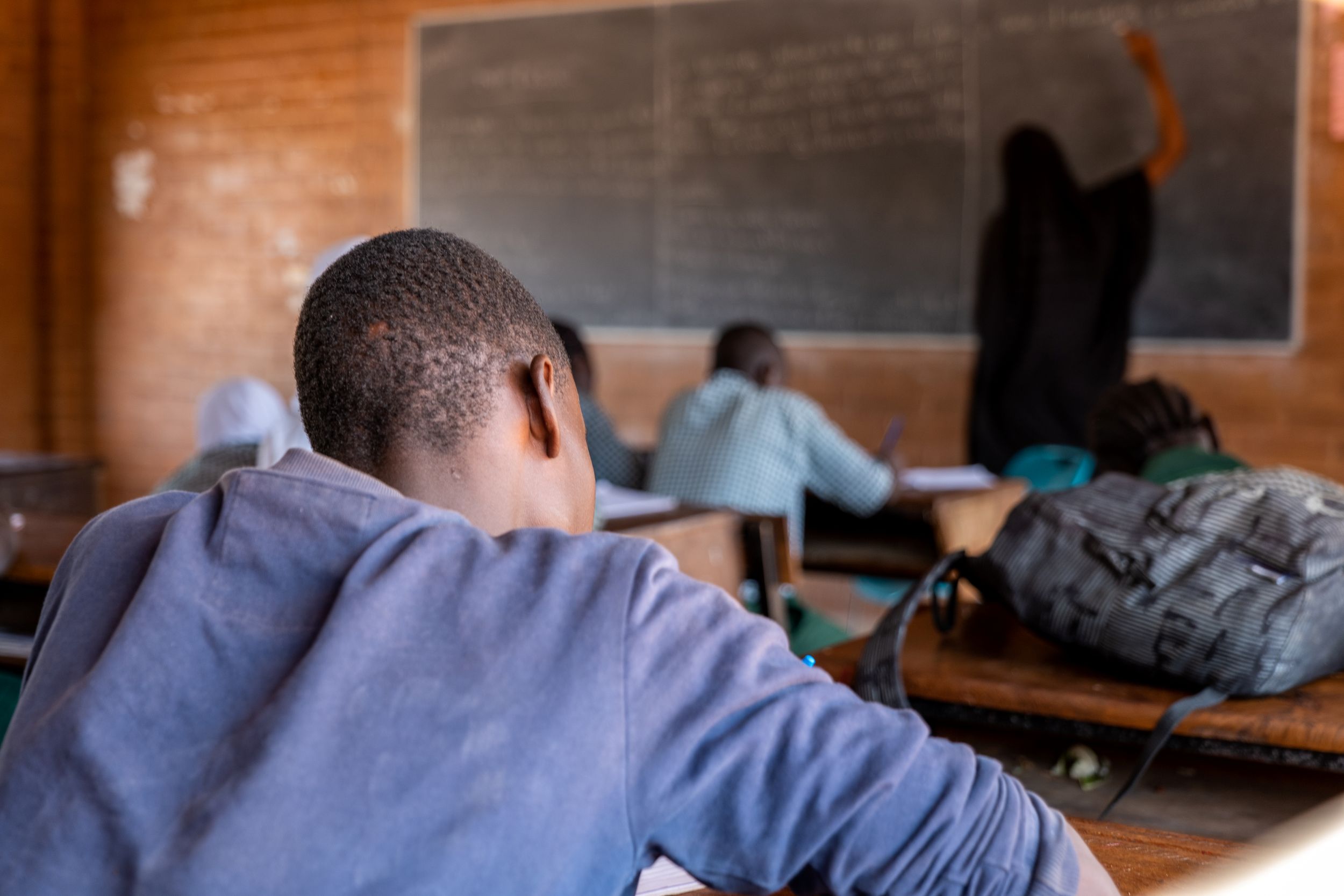
Africa’s demographic growth presents a once-in-a-generation opportunity, but without equitable access to education,

it risks becoming a source of deepening inequality. Education is one of the most effective ways to convert population growth into shared prosperity. When young people can learn, earn, and lead within their own communities, they are empowered to stay, contribute, and shape lasting change.

Why education matters

Strengthening local communities and economies

Building skilled workforces and future leaders

Reducing long-term pressures that drive forced and irregular migration by creating viable futures at home